

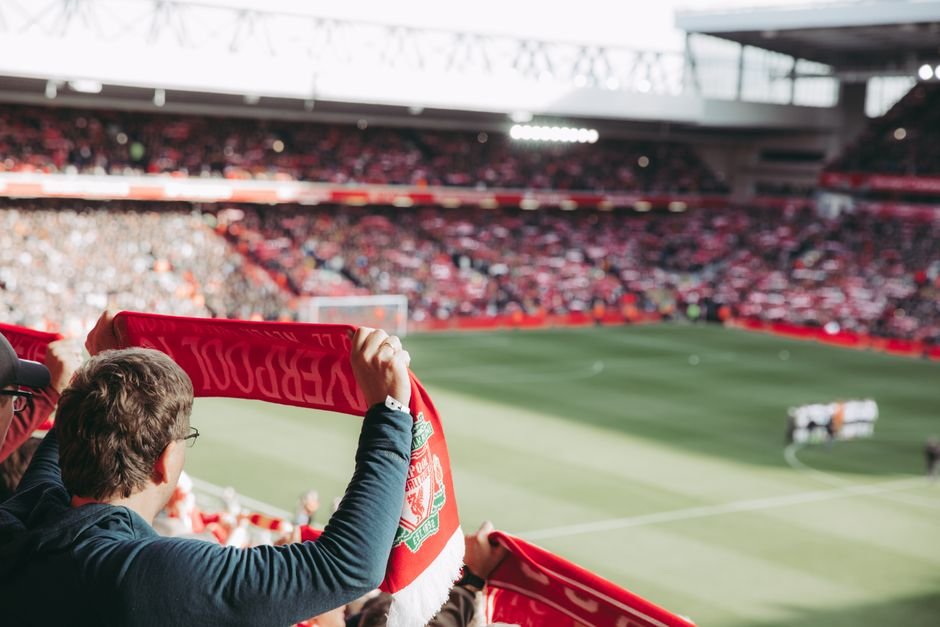
Okay, let’s be real for a second. If you’re anything like me, your Saturday afternoons have a very specific rhythm: coffee in hand, maybe a blanket, and the TV on with the Premier League playing in the background. I used to think I was just “watching soccer” while folding laundry or scrolling through my phone. But somewhere along the way, it became more than that. It became a little ritual, a way to connect with friends, and honestly, a masterclass in human drama. So grab your tea, and let’s chat about what’s actually happening in the Premier League right now—because the trends are shifting, and I have thoughts.
The Rise of the “Relatable” Underdog (And Why I’m Obsessed)
I have to admit, I used to be a bit of a bandwagon fan. I’d root for the big clubs—the ones with the flashy kits and the superstar players. But this season? Something changed. I found myself genuinely cheering for teams like Brighton and Brentford. It’s not just that they’re winning; it’s how they’re winning. They play with this scrappy, smart energy that feels so human. Like, remember when my friend Sarah tried to bake a sourdough starter from scratch during lockdown? She had no fancy equipment, just flour, water, and sheer determination. That’s what these clubs feel like right now. They’re not the billion-dollar bakeries; they’re the home kitchens that somehow produce the best bread.
I had a moment last week that totally cemented this. I was at a coffee shop, and the barista—a guy named Tom who always remembers my order—was wearing a Brentford scarf. I asked him about it, and he lit up. He told me about their set-piece coach, their data-driven approach, and how they’ve built a team that’s greater than the sum of its parts. He wasn’t just talking about soccer; he was talking about a philosophy. And I realized that’s the trend I’m loving most: the underdog narrative is no longer a cute story—it’s a legitimate threat. If you’re looking for a tip, don’t sleep on teams like Aston Villa or West Ham. They’re not just “doing okay”; they’re quietly rewriting the playbook.
Why the “Midfield Battle” Is Actually Your Life in Slow Motion
Here’s a trend that’s been blowing my mind: the midfield is becoming the most important part of the game. I know, I know, everyone loves a goal scorer. But hear me out. Watching a match now is like watching a really intense group project. You have the star player who wants to do everything themselves (the striker), the defensive wall who just blocks everything (the center-back), and then you have the midfielders—the ones who have to connect, pass, and keep everyone sane. It’s the unsung heroes, the people who do the invisible work.
This hit me personally during a recent Sunday. I was trying to organize a dinner party with a few girlfriends. One friend was all about the menu (the striker), another was handling the seating chart (the defender), and I was stuck trying to figure out how to get everyone to agree on a time and bring a dish. It was chaos. But then my friend Jess stepped in. She calmly texted everyone, created a shared spreadsheet, and somehow got us all on the same page. She was the midfielder. And in the Premier League, players like Rodri or Declan Rice are doing exactly that. My tip? Watch how teams control the middle of the pitch. If a team loses that battle, they’re probably going to lose the game—and your Saturday mood. It’s a lesson in balance, honestly.
The Trend That’s Changing My Game Day Ritual (And Maybe Yours Too)
Okay, this one is personal. I used to watch matches alone, half-paying attention while scrolling Instagram. But recently, I’ve started hosting “watch parties” with just two or three close friends. We don’t make it fancy—just snacks, a group chat for reactions, and zero judgment if someone doesn’t know the offside rule. And you know what? It’s transformed how I experience the league. The trend I’m seeing is that the Premier League is becoming more social, more communal. People are sharing memes, live-tweeting, and even doing fantasy leagues with their moms (my mom is currently beating me, and I’m not mad about it).
I have a specific memory from last month. My friend Liz, who has never watched a full match in her life, came over. I put on a Liverpool vs. Manchester City game, and within ten minutes, she was shouting at the screen. “Why is he just standing there?!” she yelled. I laughed so hard I almost choked on my popcorn. That moment—where the game became a shared joke, a shared tension, a shared joy—is what the Premier League is really about right now. So here’s my practical tip: don’t just watch. Invite someone who doesn’t care. Let them ask the dumb questions. Because the trends I’m seeing aren’t just about tactics or transfers; they’re about connection. And that’s something we all need.
One more thing: keep an eye on the young players. There’s a wave of teenagers—like Kobbie Mainoo at Manchester United or Rico Lewis at City—who are playing with this fearless, almost naive joy. It reminds me of when I first started learning guitar. I was terrible, but I didn’t care. I just strummed. That energy is contagious, and it’s changing the pace of games. If you want to feel hopeful about the future of the league, watch these kids. They’re the reason I still believe in magic.
So here’s my heartfelt takeaway: The Premier League isn’t just a sport. It’s a mirror. It shows us how we handle pressure, how we collaborate, and how we find joy in the chaos. Whether you’re a die-hard fan or just someone who likes the colors of a kit, I hope you find your own little ritual. Maybe it’s a scarf, a snack, or a friend who yells at the TV. Because at the end of the day, we’re all just trying to score a little happiness in our own lives. And that’s a trend I can get behind. 🤍