

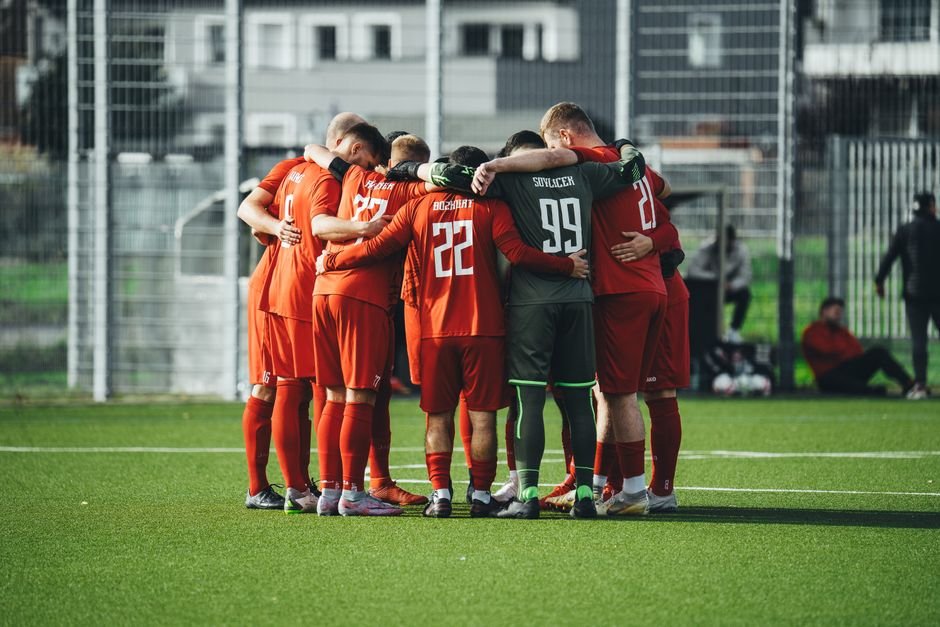
Okay, let’s be real for a second. When someone says “match report,” your brain probably flashes to a stuffy sports column written by a guy named Gary who uses words like “tactical fluidity” and “clinical finishing.” But in my world—the world of sideline snacks, screaming at the TV in my living room, and desperately trying to remember what actually happened in the 67th minute—a match report is so much more. It’s a time capsule. It’s a story. And lately, it’s become a full-blown trend in the blogging and social media world that I am *so* here for.
I’ve been writing these little recaps for my own blog for about three years now, and let me tell you, I’ve learned some things the hard way. Like the time I wrote a whole post about a local soccer game I attended, only to realize I had the score wrong because I was too busy eating a giant soft pretzel and chatting with my friend Jen about her dog’s new haircut. The final score was 2-1, but I wrote 1-1. My inbox was *not* happy. So, today, I’m sharing my hard-won wisdom—the tips, the trends, and the honest reality of turning a chaotic 90 minutes into a post that people actually want to read.
The “Golden Hour” Rule: Write It Before You Forget the Good Stuff
Here’s the thing about match reports: your memory is a sieve, and the holes get bigger the closer you get to bedtime. I used to think I could wait until Sunday morning to write about Saturday’s game. Nope. By then, I’d remember the final score (hopefully correctly) and maybe one dramatic goal, but all the little moments—the goalkeeper’s save that made me gasp, the little kid in the front row who was more interested in his ice cream than the game—were gone. Poof.
My biggest tip? Write your “skeleton” within two hours of the final whistle. I’m not talking about a polished draft. I’m talking about bullet points. Jot down the score, the key players, the turning point, and one weird or funny thing that happened. For example, last month I went to a rugby match with my sister. The game was brutal, but my only note was, “The guy next to us brought a full charcuterie board in a Tupperware. Respect.” That note became the opening line of my post, and honestly, it was more engaging than any “the home side dominated possession” intro I’ve ever written.
This “quick notes” trend is huge right now—people are calling it “raw recapping.” It’s less about perfect grammar and more about capturing the *vibe* before it evaporates. So, pull out your phone, open your notes app, and just word-vomit. Future-you will be so grateful.
Trending Now: The “Emotional Arc” & The “Fan Cam” Aesthetic
I’ve noticed a shift in what makes a match report feel fresh. Gone are the days of just listing stats like a robot. The trend now is the emotional arc. You’re not just telling me who won; you’re telling me how you *felt* when they won. Did you cry? Did you spill your drink? Did you text your group chat with 47 exclamation points? That’s the good stuff.
For example, I wrote a report on a basketball game where my team was down by 10 with two minutes left. My “report” was essentially a diary entry: “I’m sweating. My palms are clammy. I’m pretty sure I’m holding my husband’s hand, but I don’t even know. Then—boom—a three-pointer. Then another. I screamed so loud my neighbor’s dog started howling.” That post got triple the comments of any stat-heavy recap I’ve ever written. People connect with the feeling, not the foul counts.
Another trend I’m loving? The “Fan Cam” aesthetic. Instead of using professional photos, bloggers are incorporating blurry, shaky, phone-shot pictures from their actual seats. The slightly out-of-focus shot of the field, the grainy selfie with your friend wearing a ridiculous foam finger—these are gold. They scream “I was there, and it was real.” I’ve started doing this, and it makes my posts feel so much more personal. It’s not about perfection; it’s about authenticity. Plus, it’s way less pressure than trying to find the perfect stock photo of a stadium I’ve never been to.
My “Don’t Be a Hero” Checklist (For When Life Gets in the Way)
Now, let’s talk about the reality of being a human with a life. Sometimes, you miss the game. Or you watch it on a tiny screen while hiding in the bathroom during your kid’s birthday party (guilty). Or you fall asleep in the 70th minute because you had a long week. Does that mean you can’t write a match report? Absolutely not. Here’s my “don’t be a hero” checklist for those moments:
- Embrace the “Second-Hand Recap”: If you missed it, just say so. Start with, “I watched this one from the couch with a bowl of popcorn, and I’m still processing.” Then, use the official highlights and your group chat’s reactions to piece together the story. It’s okay to be a fan, not a journalist.
- Focus on One Moment: You don’t have to cover everything. Pick the single most memorable play, goal, or controversial call, and write 400 words about just that. It’s more focused, and honestly, more interesting.
- Use the “What I Wore” Angle: This is a fun, lighthearted trend. If the game was a snoozefest, pivot to what you wore to watch it. “I wore my lucky socks, but apparently, they only work on Tuesdays.” It’s a cheeky way to fill space without pretending you have deep tactical insights.
- Ask Questions: End your post with a question to your readers. “Did anyone else think that referee was blind?” or “Who else is still not over that last-minute equalizer?” This turns your report into a conversation, which is the whole point of blogging, right?
I remember one time I had to write a match report for a cricket game—which I know absolutely nothing about. I watched for 20 minutes, got confused, and wrote a post titled “Cricket: A Love Story (From a Clueless American).” I talked about the tea breaks, the players’ white pants, and how I kept waiting for something to happen. It was a hit. Why? Because I was honest about my confusion, and that relatability beat any attempt at fake expertise.
Here’s my final thought, and I mean this from the bottom of my heart: a match report is not a news article. It’s a love letter to the moment. It’s about the shared experience, the highs, the lows, and the ridiculous snack choices. Whether you’re writing about a professional championship or your nephew’s peewee soccer game where a kid just stood in the middle of the field picking flowers, the goal is the same: to make someone feel like they were right there with you.
So, next time you’re tempted to write a dry, boring recap, don’t. Write about the spilled soda, the screaming fan, the questionable call that made you question your life choices. Write about the feeling. That’s the trend that never goes out of style.
And if you get the score wrong? Just apologize, laugh it off, and blame the pretzel. We’ve all been there. 🤍